


Key Takeaways: In a Pennsylvania personal injury case, pain and suffering includes the physical pain, emotional distress, and loss of enjoyment of life you experience because of someone else’s negligence. These damages have no fixed price, but the insurance company will work to limit them. What Counts as Pain and Suffering in a PA Injury[…] Read More
Blog
Can You Still Claim if a Car Accident Aggravated a Pre-Existing Injury?

Key Takeaways: Our experienced Philadelphia car accident lawyers at McCann Dillon Jaffe & Lamb, LLC help injured people clearly document how a collision changed an existing condition. Under Pennsylvania’s Eggshell-Plaintiff doctrine, a negligent driver does not escape responsibility because the victim was unusually vulnerable. The claim must prove that the crash factually caused harm or[…] Read More
Pennsylvania’s Statute of Limitations: Deadlines That Can Bar Your Injury Claim
Key Takeaways: Our knowledgeable Delaware County personal injury lawyers at McCann Dillon Jaffe & Lamb, LLC help injured people preserve time-sensitive claims. Understanding Pennsylvania “statute of limitations” injury rules matters because delay can prevent recovery regardless of the evidence. Because deadlines can depend on the defendant’s identity and claimant’s age, individualized review is important. Insurance[…] Read More
Uninsured and Underinsured Motorist Claims in Delaware: What to Know

Key Takeaways: Our experienced Wilmington car accident lawyers help injured drivers collect from their own uninsured and underinsured motorist coverage when the other driver cannot pay the full cost of a crash. Delaware PIP handles early medical bills and lost wages, while UM/UIM coverage can pay for pain, suffering, and other remaining losses. Since the[…] Read More
How to Prove a Hand or Finger Injury Claim

Key Takeaways: To prove a hand or finger injury claim in Philadelphia, you generally need evidence showing how the incident happened, who was legally responsible, how the injury was diagnosed, and how it affected your work and daily life. Pennsylvania negligence law requires duty, breach, causation, and actual loss, so medical and incident evidence should[…] Read More
Autumn Slip and Fall Hazards in Philadelphia

Key Takeaways The Philadelphia slip and fall lawyers at McCann Dillon Jaffe & Lamb, LLC help injured people investigate unsafe autumn conditions. Unlike winter ice claims, these cases generally focus on leaves, tracked-in rain, poor lighting, or first frost rather than snow-removal deadlines or the hills and ridges doctrine. What Are the Most Common Fall-Season[…] Read More
Limited vs. Full Tort in Pennsylvania | McCann Dillon
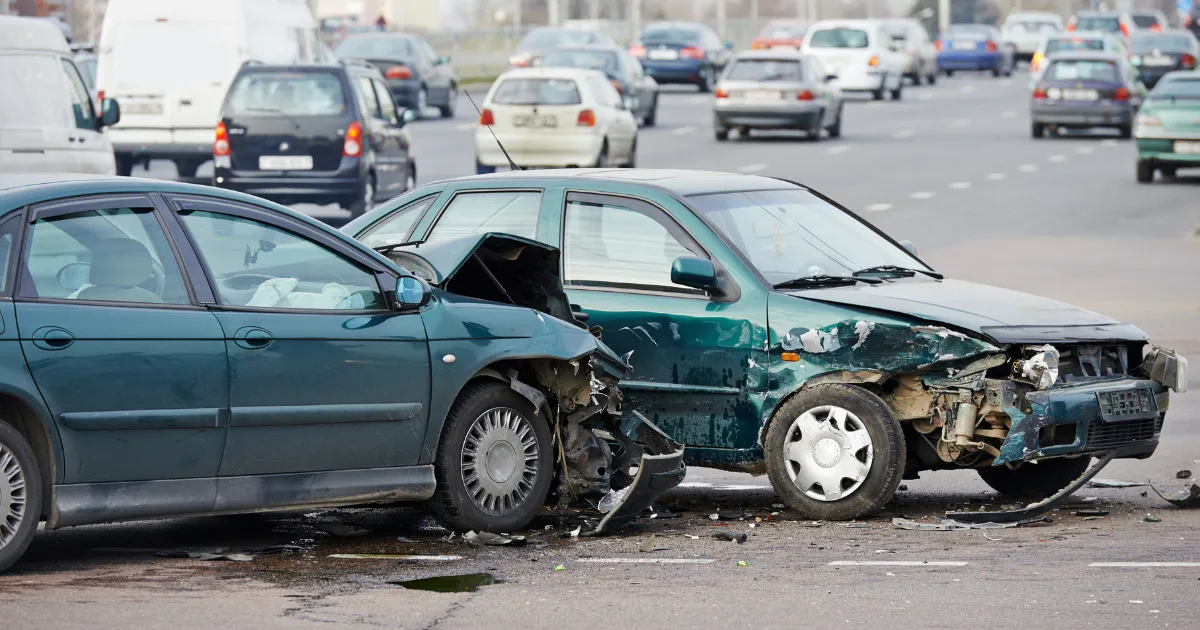
Key Takeaways: The “tort” option selected on a Pennsylvania auto policy decides whether an injured driver can pursue compensation for pain and suffering after a car accident or only for out-of-pocket costs. A lower premium at signup can mean a smaller settlement later. Reviewing the policy before filing a claim shows which recovery path applies.[…] Read More
Limited vs. Full Tort in Pennsylvania | McCann Dillon

Key Takeaways: Delaware’s “no-fault” system pays some crash-related bills before anyone determines who was at fault, but that coverage has firm limits. Drivers hurt in a serious crash often reach those limits fast, especially when medical treatment stretches on for months. Knowing where PIP coverage stops and a personal injury claim can start makes a[…] Read More
Who Is at Fault in a Multi-Car Accident in Pennsylvania?

While single-vehicle collisions are dangerous, multi-car accidents represent some of the most chaotic and legally intricate events on Pennsylvania roads. And when three or more vehicles collide in a rapid chain reaction, determining who is ultimately responsible becomes a far more complicated endeavor than it is in a standard two-car crash. How Does Pennsylvania Law[…] Read More
What if the Other Driver Gives a False Statement to the Insurance Company?

Key Takeaways: Our experienced Delaware County car accident lawyers at McCann Dillon Jaffe & Lamb, LLC help injured drivers and passengers respond when another driver gives a false statement to the insurance company. After a crash, the other driver may blame you, deny speeding, minimize damage, blame weather, or claim you were not injured. A[…] Read More